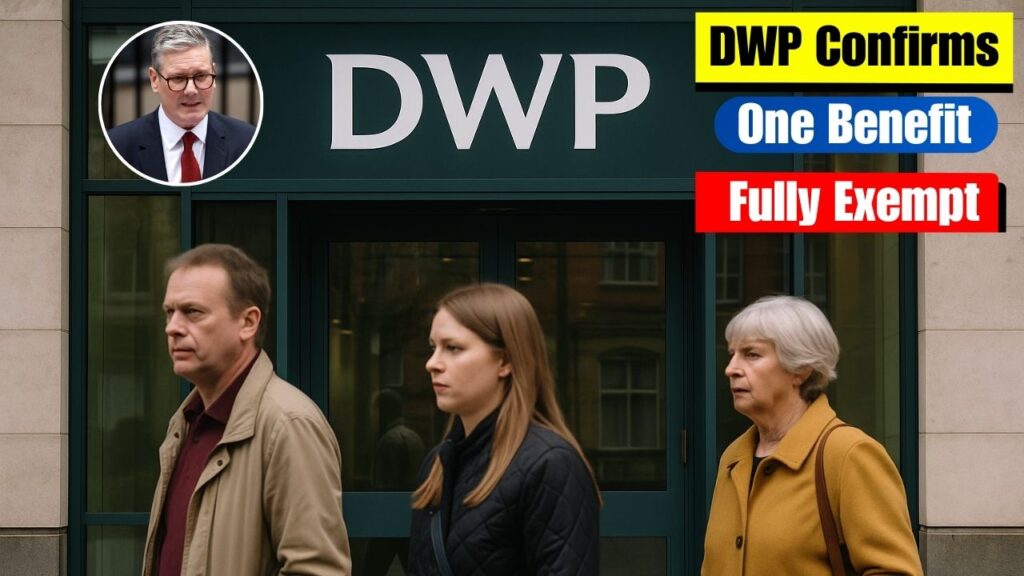
The Department for Work and Pensions has confirmed that State Pension recipients will not be subject to the new bank account monitoring powers. This news brings relief to millions of older people across Britain. Parliament is currently moving the new anti-fraud bill toward royal assent. The DWP has made it clear that pensioners will not face the checks designed to detect benefit fraud and recover overpayments. Former DWP minister Liz Kendall previously stated that pensioners have nothing to worry about. The department has now confirmed again that the new powers do not target people who receive their State Pension. The monitoring system will focus on other types of benefit payments rather than State Pension income. This clarification addresses concerns raised by many older Britons about potential intrusion into their financial affairs. The DWP wants to reassure pensioners that their bank accounts will remain private and unaffected by these new fraud detection measures.
UK Government Pushes Major Anti-Fraud Overhaul as Scam Activity Surges Nationwide
The decision arrives as the Labour government completes the final approval process for the Public Authorities (Fraud Error & Recovery) Bill in the House of Lords. Following months of parliamentary negotiations between the two chambers the bill has received approval with several amendments added to enhance transparency and protect vulnerable individuals while ensuring human supervision of DWP investigations.

The government wants stronger fraud controls because benefit overpayments have increased sharply in recent years. Ministers point out that dishonest activity and organized scams grew significantly after the pandemic. Officials say the department’s current powers are outdated and cannot keep up with the complexity of modern fraud schemes.
Full Timeline Revealed: When the 2025 DWP Monitoring and Exemption Rules Take Effect
The department has made it clear that these powers will not be introduced immediately. The rollout is being spread across several years to give banks and government agencies and fraud authorities enough time to prepare their systems. Many of the changes need new technology and new protocols and stronger cooperation between the DWP and the Public Sector Fraud Authority.
 SA Salary Tax Change for 2025: Workers Could Save Up to R4,500 — Update Before 15 December
| Implementation Stage | Expected Timeline |
|---|---|
| Early technical preparation | April 2026 |
| Wider national rollout | 2029–2031 |
| Full operational use | By 2031 |
The DWP has made it clear that the bank checks will not monitor how people spend their money each day. Banks will only need to report accounts that show signs someone might not qualify for benefits anymore. The law clearly defines what these signs are and computers will watch for them automatically rather than people checking manually to keep intrusion to a minimum.
House of Lords Raises Red Flags, Forcing Government to Add New Transparency Safeguards
During the bill’s progress through the Lords several peers expressed concerns about fairness and ethics. They worried that automated decision-making might replace human judgment. The government agreed to multiple safeguards after lengthy debate. These included a clear requirement that all final fraud decisions must be made by a human rather than by algorithms. Baroness Finn welcomed this change. She said it corrected serious drafting flaws and prevented innocent people from being incorrectly penalised by automated systems.Another important change involved restricting investigators to using reasonable force only on property. This means authorized officers cannot use physical force on people. That responsibility stays exclusively with the police. Peers also supported better protections for whistleblowers & stronger oversight on how the new powers can be used. This is especially important when dealing with vulnerable claimants.
DWP Justifies New Surveillance Powers, Citing Unprecedented Levels of Benefit Fraud Attempts
During the 2023-24 financial year Britain recorded £9.7 billion in benefit overpayments from fraud and error compared to £8.3 billion the year before. The government says this level of loss cannot continue during a time of economic pressure & growing demand for public services. Work & Pensions Minister Baroness Sherlock said the bill aims to make sure limited public money goes exactly where it is needed. She asked Parliament to back measures that protect taxpayers and genuine claimants. The new powers are strict but the DWP says their main goal is prevention by catching potential problems early before debts or wrong payments become large enough to cause hardship.
Inside the New Bank Monitoring Alerts: What Data Points Will Actually Trigger a Flag
The DWP has stated that these alerts will only be sent when specific legal triggers are met and not for minor or everyday purchases. Alerts may be generated if an account shows sudden increases in savings far beyond the permitted threshold or if regular income appears inconsistent with what the individual is claiming.
The main red flags checked under the new monitoring rules include:
– Savings rising above the permitted limits for means-tested benefits
– Income movements that do not match the details of a benefit claim
– Bank activity indicating the claimant may no longer meet eligibility criteria
Understanding Transaction Privacy Your transaction lists & purchase history remain private by default. Nobody can access this information automatically. The only way someone can view your complete transaction data is if investigators have already obtained proper legal authorization to examine your financial records more closely. This means your everyday purchases & financial activities stay confidential unless there is a legitimate legal reason for authorities to review them. Even then they must follow established legal procedures and obtain the necessary permissions before they can access your detailed transaction information.
Impact on Millions of Claimants: How the 2025 Anti-Fraud Exemption Will Change Daily Checks
For most people nothing will change right away. Even when the new powers start in 2026 the impact will be slow & only affect specific cases where the DWP thinks a person’s information no longer matches their claim. Pensioners who make up a large portion of benefit recipients are completely exempt. This means their accounts will not be checked under this scheme now or later. The DWP says that honest claimants have nothing to worry about from the changes. The goal is to speed up recovery of overpayments in cases where people deliberately mislead the system.