South Africa deals with water as a valuable resource and regularly experiences problems with water supply. Many people living there have gotten used to dealing with unexpected water cuts but the causes of these problems are not always clear. Citizens need to understand what creates these issues and what local governments are doing to fix them. When we look more closely at the details of recent water outages we can better understand how complicated these situations are and push for local authorities to be more open & responsible about their actions.
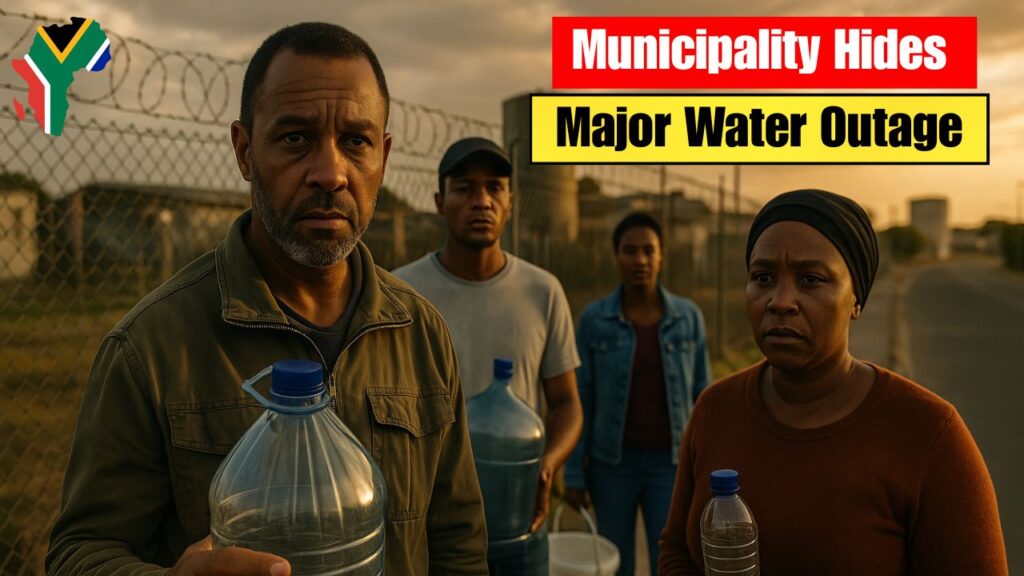
Real Reasons Behind South Africa’s Frequent Water Outages
Water outages happen frequently in South Africa due to several interconnected problems. The country’s water infrastructure has deteriorated significantly over the years because many systems have not received proper maintenance or necessary upgrades. This neglect has created a situation where pipes and pumps break down regularly & cause service interruptions. Climate change has made the situation considerably worse. Extended periods of drought have reduced the amount of water available in reservoirs and other sources. These environmental pressures have combined with the existing infrastructure problems to create a more severe crisis. Urban areas face particularly difficult challenges because their populations have grown rapidly in recent decades. More people living in cities means greater demand for water services that were already struggling to meet previous needs. Budget limitations have prevented municipalities from addressing these problems effectively. Many local governments lack the financial resources to repair aging systems or replace failing equipment. This creates a cycle where problems continue to worsen because authorities cannot afford to fix them promptly. The combination of old infrastructure and insufficient funding means that even minor issues can escalate into major outages affecting thousands of residents.

– The main factors contributing to water outages include deteriorating infrastructure with old pipes and pumps that leak or fail completely.
– Environmental conditions such as droughts and climate change reduce the overall water supply.
 SA Salary Tax Change for 2025: Workers Could Save Up to R4,500 — Update Before 15 December
– Population growth in cities has increased demand beyond what existing systems can handle.
– Maintenance work gets delayed because municipalities do not have adequate budgets for necessary repairs and upgrades.
These elements work together to create ongoing water supply problems across the country.
How Repeated Water Cuts Are Crippling Local Communities
Water outages create problems that go far beyond simple inconvenience. Many South African communities face serious difficulties when water supplies are disrupted. This is especially true for people living in rural areas and on the edges of cities. Clean water access is vital for maintaining health and proper hygiene. When water becomes unavailable it makes existing health problems worse. The most vulnerable people in society suffer the greatest consequences. Schools & medical facilities struggle when water runs out. These institutions need reliable water supplies to maintain sanitation standards and keep their operations running. The economic damage is also substantial. Local businesses depend on steady water access to function each day. When water supplies become unreliable these businesses risk losing money and may struggle to survive.
– The main concerns include health dangers from contaminated or absent water supplies.
– Educational institutions and healthcare providers cannot deliver proper services without water.
– Small and medium businesses in affected areas face mounting financial pressures that threaten their continued operation.
What Municipalities Are (And Aren’t) Doing to Fix Water Disruptions
South African municipalities have been working on different ways to reduce the effects of water shortages on their communities. They have started water conservation programs that encourage people to use water more wisely. Many municipalities are also putting money into improving old water systems, but these projects often get delayed because there is not enough funding available. When water shortages become severe emergency solutions like water tankers & community water points are brought in to make sure people can still get water. However, these measures do not work as well as they should when the public is not properly involved and when municipalities do not share enough information with residents.
– Water conservation programs help people use less water.
– Upgrading infrastructure requires significant investment.
– Emergency supplies include tankers and community stations.
– Better communication with the public improves results.
Lack of Transparency: Why Residents Deserve Clearer Water Outage Explanations
Municipalities need to be transparent & accountable to manage water resources effectively. Residents should know why water outages happen & what steps are being taken to fix them. They also need to understand how they can help with conservation efforts. Better communication through local media and community meetings can help share this information. Municipal officials should face stronger accountability measures so they are responsible when service delivery fails.
| Issue | Current Approach | Suggested Improvement |
|---|---|---|
| Communication | Infrequent updates | Regular community briefings |
| Infrastructure | Delayed upgrades | Prioritized investment |
| Accountability | Limited oversight | Strengthened policies |
Can Smart Tech Prevent Water Outages in South Africa?
Technology offers ways to improve water management and solve problems that South African municipalities face. Smart water systems can track water usage as it happens and find leaks quickly before they cause major losses. Digital platforms also help municipalities communicate clearly with residents by providing updates and collecting feedback from the public. When municipalities use these technologies they can manage resources better & deliver services more effectively. This approach helps reduce how often water outages happen and makes them less severe when they do occur.
| Technology | Main Purpose | Key Advantage |
|---|---|---|
| Advanced Smart Meters | Track real-time consumption | Improves overall efficiency |
| Intelligent Leak Detection Tools | Spot hidden or unexpected leaks | Reduces water and resource wastage |
| Digital Communication Platforms | Share instant updates with users | Boosts transparency and trust |
Practical Tips Every Resident Should Follow During a Water Crisis
While local governments address water supply problems, residents can take practical steps to cope with outages. Basic actions like keeping stored water on hand, using appliances that conserve water, and maintaining cleanliness with minimal water use can help during these times. Neighborhood efforts such as pooling resources and assisting elderly or vulnerable residents can reduce the effects of water shortages. When people stay updated and participate actively they contribute to better management of water outage challenges.
– Store water for emergencies.
– Use water-efficient appliances.
– Practice hygiene with minimal water.
– Support community resource sharing.