Driving rules in the UK are changing again in 2025 and many of the updates will directly affect older motorists who are aged 62 and above. These changes are part of the Government’s broader plan to modernise the roads and improve safety while reducing accidents linked to health issues and preparing the transport system for the next decade. If you are a senior driver or you have older family members who still enjoy the freedom of driving then this guide will help you understand everything that’s changing and why it matters and what steps you may need to take before the new rules fully roll out. Below is a clear and simple breakdown of the biggest updates coming in 2025 so you can stay legal and safe and informed.
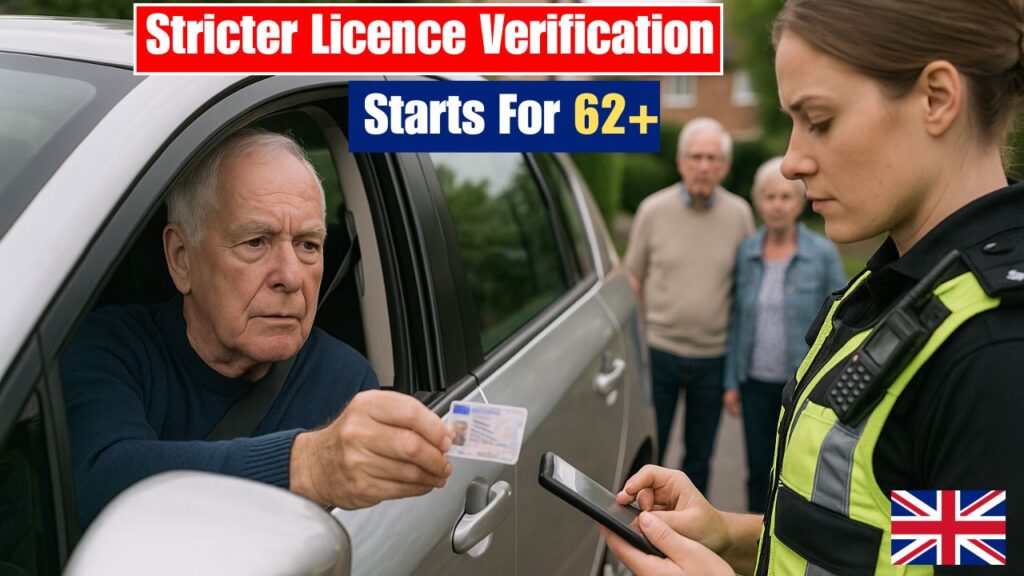
DVLA’s Updated 2025 Fitness-to-Drive Checks for Senior UK Motorists
The DVLA is introducing significant changes in 2025 regarding medical fitness assessments for drivers. These updates respond to the growing number of older people in the UK and aim to decrease accidents related to age. Drivers who are 62 years old or older will experience several new requirements. They must report certain medical conditions more quickly than before. The DVLA will apply stricter standards for eyesight problems and conditions like diabetes and heart disease. Some drivers with specific health issues will need to renew their licences more frequently. These changes are designed to keep all drivers safe rather than prevent older people from driving. The government wants to ensure that everyone on the road can operate their vehicle safely. Reactions to these new rules vary among older drivers. Some welcome the changes because they provide reassurance and help identify potential problems early. Other drivers worry that the additional requirements will create unnecessary anxiety and increase administrative tasks. The new regulations will take effect soon. All affected drivers should familiarize themselves with the updated requirements to ensure they remain compliant. Understanding these changes now will help drivers prepare for the transition and avoid any complications with their driving privileges.

Revised 2025 Eyesight Assessment Standards for Licence Renewal Applicants
Eyesight continues to be one of the leading reasons older motorists fail DVLA medical assessments. Because of this, the Government will roll out updated eyesight testing guidelines beginning in 2025.
You will be required to:
 SA Salary Tax Change for 2025: Workers Could Save Up to R4,500 — Update Before 15 December
– Read a vehicle number plate from 20 metres
– Complete a contrast sensitivity assessment
– Declare any recent cataract surgery or noticeable vision changes
– Report eye conditions more quickly (including glaucoma, macular degeneration, and others)
If you are aged 62 or older, you may now be required to submit an updated eyesight report every time you renew your driving licence.
The positive news is that the DVLA says this change is designed to prevent sudden licence suspensions, as potential issues can be identified much earlier. In most cases, a quick and affordable eye test from your local optician will be enough to meet the new requirements.
Major Renewal Procedure Changes Coming for UK Drivers Aged 60 and Above
Currently, UK drivers renew their licence at age 70, but from 2025, motorists aged 62+ may face earlier and more frequent renewal checkpoints based on their health, driving history, and any previous medical declarations.
What’s changing:
– Some drivers aged 62–69 will now need to renew every three years
– Digital renewals will be prioritised over paper applications
– Drivers with declared medical conditions may be issued one-year licences
-Phone renewals will be phased out as DVLA moves toward online systems
These updates aim to cut waiting times and help the DVLA detect potential issues more quickly.
For those who do not use the internet, the DVLA confirms that Post Office and paper renewal options will remain available — though online applications will be processed significantly faster.
Stricter DVLA Monitoring on Driving-Affecting Medications for Older Motorists
A major rule update in 2025 focuses on medicines that can affect reaction speed, focus, or overall alertness. Many older drivers regularly take medication for blood pressure, pain relief, anxiety, or sleep, and some of these prescribed drugs may reduce safe driving ability.
From 2025, all drivers aged 62+ must:
• Disclose specific prescription medications
• Follow stricter dosage and safety warnings
• Avoid driving during any medication adjustments
• Provide a GP letter if the DVLA asks for medical proof
Common medications that may trigger DVLA checks include:
• Strong painkillers
• Sleeping tablets
• Anxiety or depression medication
• Epilepsy or seizure medication
• Drugs that cause drowsiness or delayed reaction
These rules are designed to keep UK roads safe, but many older drivers feel concerned about losing their independence. Doctors play an important role in assessing whether someone is fit to drive while taking these medications.
Nationwide Rollout of Smart Speed Cameras Across the UK in 2025
Advanced speed cameras — already tested in Wales and parts of London — will be rolled out across England and Scotland in 2025. These upgraded systems go beyond just catching speeding violations.
Smart cameras will now automatically detect:
– Not wearing a seatbelt
– Using a mobile phone while driving
– Tailgating or driving too close
– Improper lane discipline
– Running a red light
Older drivers should be especially cautious, as many of these offences are now recorded without any police officer being present.
For drivers aged 62 and above, the biggest change is the risk of fines for small mistakes that were earlier ignored. The safest approach is to drive calmly, maintain safe distance, and avoid distractions behind the wheel.
Tougher 2025 Driving Rules for Hazardous and Poor Weather Conditions
Another confirmed update for 2025 involves **driving during extreme weather** — something that affects older motorists more due to slower reaction times and reduced visibility at night.
The new changes include:
– Higher penaltiesnfor driving with foggy or icy windscreens
– Fines for failing to use headlights correctly
– Stronger roadside checks during snow, fog, and heavy rain
– Guidance for older drivers to avoid unnecessary winter travel
Drivers aged 62+ will be encouraged to take “low-risk travel routes”during harsh weather. This is not compulsory, but the DVLA may provide personalised recommendations based on age and health.
New Electric Vehicle Compliance Regulations Increasing Pressure on Senior Drivers
As the UK embraces cleaner transportation, the shift to electric vehicles (EVs) is expected to grow rapidly in 2025. While EVs offer a smoother driving experience, many older motorists still have concerns, such as:
– Complicated touchscreen technology
– Fear of running out of battery (range anxiety)
– Difficulty operating public fast chargers
– Expensive upfront purchase prices
New 2025 rules include:
- More low-emission zones are being introduced across major cities in 2025.
- Extra charges will apply to older petrol/diesel vehicles in designated pollution areas.
- Some towns will offer parking benefits for electric vehicles (EVs).
- New rules require clearer EV instructions to help senior drivers.
If you drive rarely or mostly within your area, switching to an electric vehicle could help you save money long-term. The UK Government has also confirmed that additional support schemes will be introduced in 2025 to assist older drivers with the transition to EVs.
Important 2025 Blue Badge Parking Regulation Updates Older Drivers Must Know
The Blue Badge scheme is undergoing important changes that directly impact older drivers in the UK who rely on it for accessible mobility. These updates aim to enhance fairness, reduce misuse, and simplify the process for eligible individuals. Below are the key reforms:
– Introduction of a new digital verification system
– Implementation of stricter penalties for misuse
– Automatic renewalfor drivers aged 65+ with long-term medical conditions
– Deployment of additional ANPR cameras to check badge validity in parking zones
These improvements are expected to significantly reduce fraud and ensure the system benefits **genuine badge holders** who need it most.
Insurance Premium Adjustments Expected for UK Drivers Aged 62 and Above
Insurance companies will revise their pricing models in 2025 due to a rise in accidents involving senior drivers. However, this won’t mean every elderly driver will see higher premiums — insurers will now closely evaluate:
– Annual mileage
– Recent medical declarations
– Past claims record
– Car’s safety rating
– Driving location (city vs rural)
Some providers will also offer “senior safe driver discounts” for those who complete refresher driving courses. Taking a basic course could help reduce your insurance premium by 10–25%.
Key Steps Older UK Drivers Should Complete Before January 2025
To prepare for the new rules, here are simple steps drivers aged 62+ should consider:
– Book an eyesight test early
– Review your medications with your GP
– Check your licence expiry date
– Avoid winter driving when possible
– Ensure headlights and wipers work
– Drive slowly in camera zones
– Begin planning for EV transitions
A little preparation can help you stay confident and stress-free when the new driving laws come into effect.