Canada is introducing several new traffic laws in 2025 that will affect drivers across all provinces. These updates emphasize safety & accountability while addressing technology use & imposing tougher penalties for dangerous driving. If you drive regularly or just from time to time you need to know these new rules to avoid fines and demerit points or having your licence suspended. Here is a detailed look at the new regulations taking effect this fall & how they might change your daily drive.
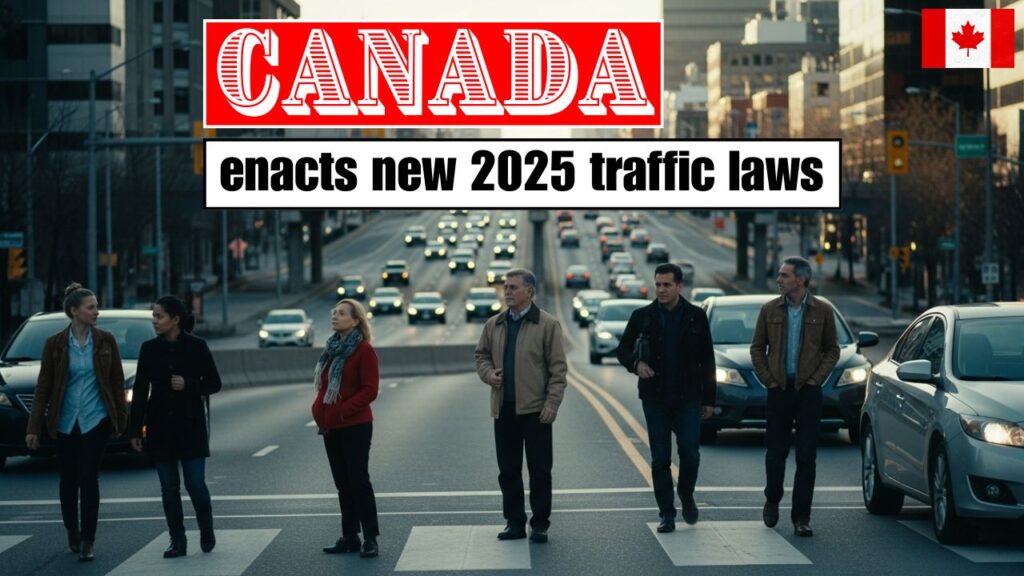
Overview of Canada 2025 Traffic Law Changes
The 2025 updates work to bring the country’s road safety framework into the modern era. The main priorities cover distracted driving and impaired driving along with speed enforcement & pedestrian protections. The updates also address regulations for new technologies like advanced driver assistance systems and electric vehicles. Most provinces use similar standards but they will put the laws into practice with some regional differences.

Stricter Distracted Driving Penalties
Distracted Driving Penalties Are Getting Tougher in 2025 Distracted driving remains a leading cause of car accidents across Canada. Provincial governments are responding by making the consequences more severe for drivers caught using handheld devices behind the wheel.
What You Need to Know Steeper
 SA Salary Tax Change for 2025: Workers Could Save Up to R4,500 — Update Before 15 December
– Financial PenaltiesFirst-time offenders now face fines ranging from $600 to $1200 in most provinces. This represents a significant increase from previous years & reflects how seriously authorities are taking this issue.
– Increased Demerit Points Each violation can now add between 4 & 6 demerit points to your driving record. These points stay on your record and can affect your insurance rates & driving privileges.
– Automatic License Suspensions Repeat offenders face even harsher consequences. If you get caught multiple times within a 12-month period you could lose your license temporarily. New drivers and young drivers face particularly strict enforcement under these new rules.
– These changes aim to reduce the number of accidents caused by drivers who text or use their phones while driving. The message from lawmakers is clear: keeping your hands on the wheel and eyes on the road is not optional.
What Counts as Distracted Driving
– Distracted driving includes several common behaviors that many people don’t realize are dangerous or illegal.
– Using your phone while your car is stopped at a red light still counts as distracted driving in most places.
– Even though you aren’t moving, you’re still operating a vehicle and need to stay focused on the road.
– Holding an electronic device to check GPS directions is another form of distracted driving.
– While navigation is important physically holding your phone or tablet takes your attention away from driving.
New Impaired Driving Enforcement Measures
Impaired driving laws will expand to include broader testing protocols & stricter consequences.
Key updates More roadside testing authority:
– Officers may conduct random alcohol breath tests more frequently.
– Zero-tolerance expansion: Some provinces will apply zero tolerance for drivers under 21 and commercial drivers as well as those with limited license classes.
Longer vehicle impoundment periods: Vehicles may be impounded for up to 30 days for high-level infractions. Cannabis impairment rules will also be more heavily enforced with improved roadside detection tools.
Automated Speed Enforcement Expansion
New policies include more speed cameras in school and construction zones. Drivers will face higher fines for excessive speeding such as going 40 km/h or more over the posted limit.
– In some provinces insurance companies may start counting camera tickets toward driver profiles.
– Drivers should expect more speed traps & increased attention on high-risk zones.
Safer Crosswalk and Pedestrian Right-of-Way Laws
– New rules include stricter penalties for drivers who do not yield at crosswalks.
– Drivers must now come to a complete stop at certain pedestrian-controlled intersections instead of just slowing down.
– The fines for passing a stopped vehicle at a crosswalk have gone up.
– Drivers also have additional responsibilities when turning at busy intersections.
These changes are designed to lower the number of pedestrian deaths that occur more frequently during the darker fall months.
Rules for Electric Vehicle Drivers
Changes include The new regulations establish reserved parking spaces exclusively for electric vehicle charging. Gas-powered cars that block these stations will face financial penalties.
– Charging stations will feature improved signage to make them easier to locate & identify.
– Provinces that have designated EV lanes will enforce stricter rules against misuse of these lanes.
Some regional governments are considering additional measures such as creating EV-only corridors that operate during peak traffic hours.
New Requirements for Advanced Driver Assistance Systems (ADAS)
Updates Include Drivers need to stay completely alert even when they use assistance systems.
– If someone misuses hands-free driving or autopilot-style systems they might face charges.
– Car manufacturers must explain what their technology cannot do by adding better dashboard warnings.
– These updates work to stop people from trusting automation too much.
Harsher Penalties for Stunt Driving and Street Racing
Changes include The new rules bring several important updates to traffic enforcement.
– First, authorities have lowered the speed thresholds that trigger stunt driving charges. This means drivers can now face these serious charges at lower speeds than before.
– Second, police officers can now suspend driver’s licenses immediately at the roadside. Drivers no longer wait for a court date to lose their driving privileges when caught committing certain violations.
– Third, the government introduced vehicle impoundment penalties specifically targeting repeat offenders. When drivers accumulate multiple violations authorities can now seize their vehicles for extended periods.
– Finally, the financial penalties have increased substantially. Fines can now reach several thousand dollars depending on the severity of the offense and whether the driver has previous violations on their record.
Commercial Driver Safety Requirements
– New Rules Include The updated regulations introduce enhanced electronic logbook requirements that drivers must follow.
– There are now limits on maximum consecutive driving hours to prevent exhaustion.
– Stricter cargo securement standards have also been implemented to ensure loads remain stable during transport.
These updates focus on reducing driver fatigue and improving road safety for everyone.
How Drivers Can Prepare for the 2025 Traffic Law Changes
– Review the updated traffic handbook for your province to stay informed about recent changes.
– Install hands-free mounts in your vehicle to prevent distracted driving fines.
– Make sure to keep your vehicle software current if it includes ADAS features.
– Stay alert when driving through speed camera zones.
– Remember to follow the new pedestrian-priority rules when you are in busy areas.