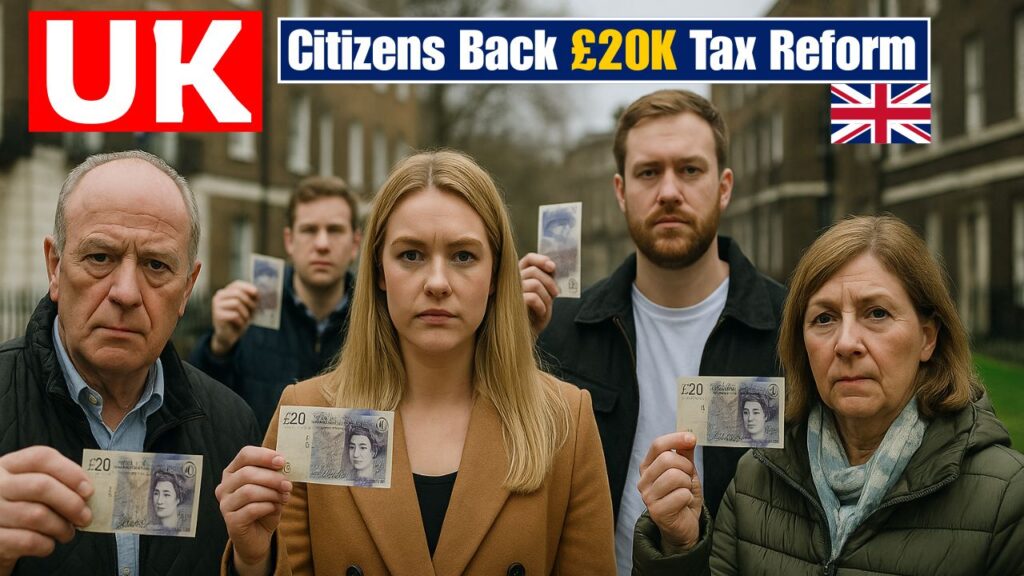
A rapidly expanding petition is demanding that the UK income tax personal allowance should increase from £12,570 to £20,000. The campaign was launched by Alan David Frost and suggests that this change would allow workers to keep more of their earnings while also helping pensioners by lowering or eliminating tax on the State Pension. As of early September 2025 the petition had collected more than 281000 signatures which is significantly higher than the 100,000 threshold required for Parliament to review it for potential debate. This substantial level of public backing demonstrates how deeply concerned people are about the existing tax structure and the burden of increasing living expenses.
Understanding the UK’s Current Personal Allowance System
The personal allowance represents how much income you can receive without paying income tax. Currently this amount stands at £12,570 & has remained unchanged since 2021. Because the allowance has been frozen while wages & pensions have increased more people now have to pay tax. Pensioners face particular difficulties with this situation. The full new State Pension pays slightly more than £11500 annually and many pensioners also get a small private pension. When these two income sources are combined they frequently exceed the £12,570 threshold which means people pay tax on what used to be regarded as a modest income.

Key Reasons Behind the Push for a £20,000 Tax-Free Limit
People who support this change think it would give workers and pensioners more money to spend. Those earning less would take home more of their wages and retired people could get their State Pension without paying tax on it. The change might also help the economy grow stronger. When people have extra money they usually spend it at local shops and businesses. Supporters say this would help small companies and mean fewer people need government benefits. Someone earning a middle-level income could save about £1486 each year which would help pay for bills or higher rent costs.
Why Ministers Are Rejecting the Proposed Increase
Despite the strong support the government has pushed back. In its official response ministers said raising the allowance to £20000 would create a massive shortfall in public finances around £40-50 billion every year. That money currently funds essential services such as the NHS and schools and social care. If the government allowed such a big tax cut it would either have to borrow more money or raise other taxes like VAT or National Insurance. Officials also warn that extra spending by households could drive up inflation which the Bank of England is still trying to keep under control.
 SA Salary Tax Change for 2025: Workers Could Save Up to R4,500 — Update Before 15 December
How Parliament Plans to Handle the Petition Next
The petition has now passed 100000 signatures so Parliament must debate the issue. A debate does not guarantee any changes will happen but it maintains pressure on MPs to deal with the problem. Some MPs already support the idea while others say the country cannot afford it at this time. Any actual decision will probably be linked to major events like the Autumn Statement or the 2026 Budget.
Groups That Stand to Benefit the Most From a Higher Allowance
If the allowance increased to £20,000, the effects would be significant. Workers on low incomes might pay no tax at all. Pensioners could receive their State Pension without tax deductions. People earning between £20,000 and £40000 would save several hundred pounds annually. However the main question is how the government would manage the resulting loss in revenue.
The Economic Tightrope the Government Must Walk
The campaign demonstrates the intense public opposition to higher taxes during a period of rising living costs. However despite widespread support, the government confronts a challenging situation. The billions lost in tax revenue would need to be recovered through other means. Economists caution that putting too much additional money into circulation at the same time might drive up prices. If this occurs, the benefits of increased tax allowances could be rapidly offset by higher prices for goods and services.
Likely Developments and What Citizens Should Expect Ahead
Tax Allowance Debate Continues The personal allowance remains frozen at £12570 for the time being. The government has stated that it will only review tax thresholds during major fiscal updates. However the issue is gaining momentum with hundreds of thousands of petition signatures & increasing political pressure. The petition is still accepting signatures and the number of supporters could rise further before it closes. While there is no guarantee that the £20,000 threshold will become reality the discussion has already drawn attention to the need for a fairer tax system. Many people believe the current system should do more to help workers and pensioners who are struggling with the cost of living. For most households the goal is straightforward. They want to keep more of their earnings & have less financial stress at the end of each month. The debate has shown that many people feel the tax system needs to change to reflect current economic challenges.