Canada’s Retirement System Faces Major Changes Canada’s retirement system is changing. The federal government is looking at major updates to the Canada Pension Plan and Old Age Security that could reshape how Canadians retire. These changes might be the biggest shift in retirement policy in decades. Several factors are driving this review. Canadians are living longer than before. The job market looks different than it did when these programs started. Economic pressures are forcing the government to rethink how it funds retirement benefits. All of this means policymakers need to reconsider what retirement should look like in modern Canada. The proposed changes could affect when millions of Canadians can retire and how much money they receive. Understanding these potential reforms matters for anyone planning their financial future.
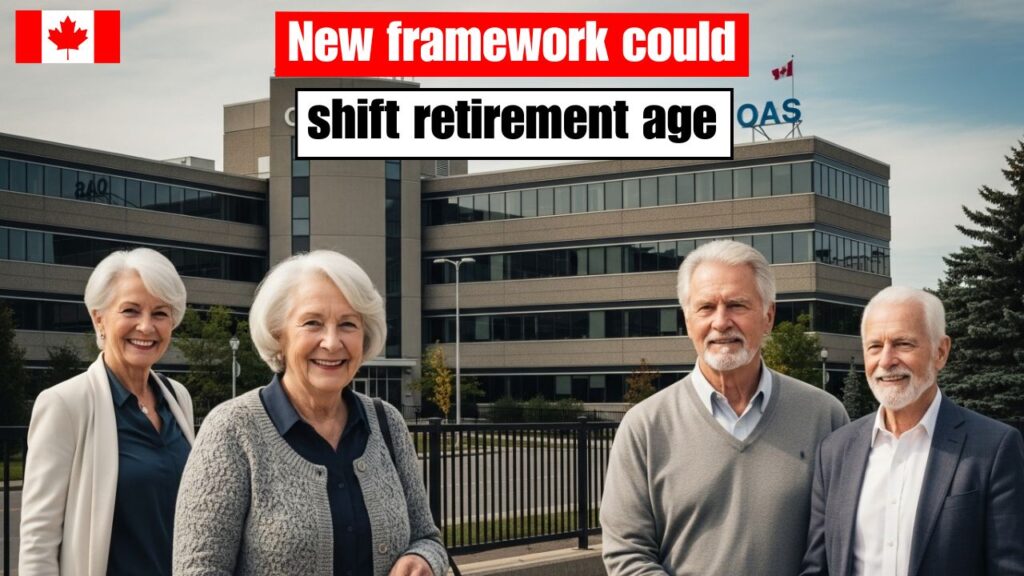
Why Changes to CPP and OAS Are Being Discussed
Canada’s Retirement Age Debate: Why It Matters Now The discussion about changing Canada’s retirement age has become more urgent recently. Several important factors are driving this conversation forward.
 Singapore Seniors to Receive Up to $2,000 CPF Top Ups Annually — How the MRSS 2025 Scheme Works
Rising Life Expectancy
Canadians now live longer lives and enjoy extended retirement periods compared to earlier generations. This increased longevity creates additional pressure on government pension systems. To keep these programs viable over time the government may need to adjust either when people can retire or how much they receive in benefits.
Economic Pressures
Federal Programs Face Growing Financial Pressure The Canadian government is dealing with mounting financial challenges as inflation continues to affect the economy while the population ages rapidly. Healthcare expenses keep climbing and there are fewer working people to support an expanding group of retirees.

Labor Market Shortages
Canada faces ongoing worker shortages across multiple industries. Getting older adults to stay in the workforce longer through financial incentives or changes to pension eligibility could help address these labor gaps & support the economy.
International Trends
Many countries, including the United States, United Kingdom, Australia, and several European nations, have already raised or are considering raising their standard retirement ages. Canada may adopt similar strategies to remain in line with global economic realities.
Potential Changes Being Discussed for CPP
Potential Changes Under Discussion Although no final decisions have been made, various policy discussions and expert recommendations point to several possibilities. Government officials and policy experts have been exploring different approaches to address current challenges. These conversations include input from multiple stakeholders who bring different perspectives to the table. Some proposals focus on incremental adjustments to existing frameworks.
Adjusting Early and Late Retirement Penalties
Right now, Canadians can take CPP as early as age 60, with a permanent reduction in monthly payments. They can also delay until 70 for increased payments. Future reforms may adjust these penalties or incentives to encourage Canadians to work longer and delay benefits.
Raising the Normal Retirement Age
Some proposals recommend raising the standard retirement age from 65 to 66 or 67 years old. This change would help make the program more financially sustainable over the long term. However it could create problems for people who work in jobs that require significant physical labor & may struggle to continue working at older ages.
Contribution Rate Adjustments
Program funding can be maintained by raising contribution rates in small steps over time. Higher contributions now would help keep benefits stable in the long run without requiring big changes to when people retire.
Enhanced Benefits for Longer Workforce Participation
Companies might provide additional pay increases or enhanced compensation packages to employees who choose to keep working after they turn 65. These financial incentives are designed to make staying in the workforce longer a more appealing option for older workers.
Possible Updates to OAS
OAS differs from CPP because it gets its money from general federal revenues instead of contributions from workers. This makes it especially vulnerable to demographic pressures.
Raising the OAS Eligibility Age
One of the most talked about ideas is to change the OAS eligibility age back to 67. This change was put in place years ago but was later reversed. Because of current population trends the proposal has come up again in policy discussions.
Income Threshold Adjustments
The income-tested OAS recovery tax is commonly known as the clawback. This system might be changed to make sure benefits reach people who need them most. The government could decide to lower the income limits or raise them depending on their goals.
Enhanced OAS for Older Seniors
The government made changes to OAS payments not long ago by giving more money to people who are 75 years old or older. In the coming years there might be additional updates that could make this increase even larger or change the age when people can start getting the higher amount.