South Africa’s recent confirmation of a new minimum wage rise has created widespread interest among workers who will now gain an extra R480 from December. This update comes at a crucial time for households facing rising living costs, making it an important financial boost across the country. The increase aims to support employees in essential sectors while improving overall economic stability. In this article, we break down what the wage rise means, how it affects different workers, and why it represents a significant step toward fairer earnings in South Africa’s labour landscape.
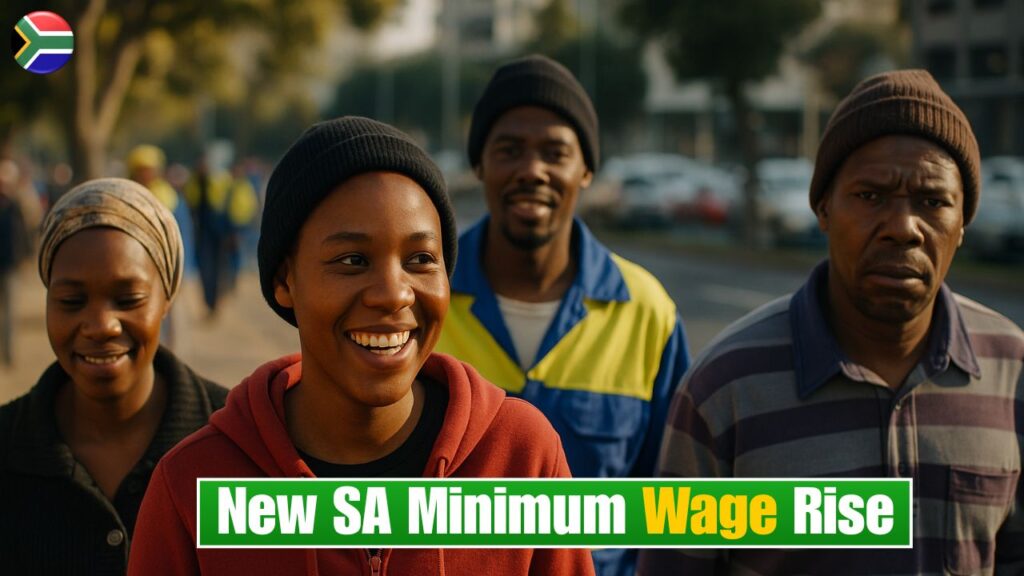
New Minimum Wage Rise Details Explained
The newly approved increase offers South African workers an opportunity to benefit from additional monthly earnings that help relieve pressure from inflation and fuel higher purchasing power. This adjustment ensures that employees receive fairer wage protection while aligning labour standards with ongoing economic trends. Many workers have welcomed this change because it supports better household stability and improves their ability to cover rising expenses. The government’s intention behind this change is to promote sustainable worker support and maintain long-term economic growth as living costs continue to climb.
 SA Salary Tax Change for 2025: Workers Could Save Up to R4,500 — Update Before 15 December
How the Extra R480 Impacts Workers
The R480 gain from December will offer valuable relief for many employees, especially those in low-income sectors who rely on regular stable income to manage essential needs. This additional amount can help families cover critical monthly expenses such as groceries, transport, and utilities. For many workers, the wage rise also strengthens financial security levels and encourages better planning for future responsibilities. Beyond the immediate monetary boost, the increase promotes economic wellbeing efforts by ensuring workers receive compensation that better reflects South Africa’s living standards.
Minimum Wage Update and Future Expectations
With this new update, South Africa signals a stronger commitment to worker income growth and improved labour rights. The wage adjustment also sets expectations for future reviews that may consider inflation trends and economic fairness goals to ensure long-term relevance. Many analysts believe that continued revisions will help maintain stable workforce motivation and improve productivity nationwide. As the labour environment evolves, employees and employers alike benefit from transparent wage policies that support both fairness and economic competitiveness.
 South Africa Introduces R1,200 Housing Support for Low-Income Families — Deadline 15 December
Summary and Analysis
The confirmation of South Africa’s minimum wage rise highlights the nation’s broader push for fair labour standards and improved worker wellbeing. By adding R480 to monthly earnings, the government offers meaningful support during a period of rising costs. This policy not only strengthens national economic resilience but also ensures that workers remain motivated and financially protected. Moving forward, this decision may influence further wage reforms aimed at equitable income distribution while helping shape a more stable and empowered workforce across the country.
| Category | Previous Amount | New Amount | Increase |
|---|---|---|---|
| General Workers | R4,020 | R4,500 | R480 |
| Retail Sector | R3,900 | R4,380 | R480 |
| Hospitality Sector | R3,850 | R4,330 | R480 |
| Domestic Workers | R3,200 | R3,680 | R480 |
Frequently Asked Questions (FAQs)
1. When does the new minimum wage increase begin?
The increase starts in December for all eligible workers.
2. How much extra will workers receive monthly?
Workers will gain an additional R480 each month.
3. Does the increase apply to all sectors?
Yes, the updated wage applies across major labour sectors.
4. Why was the wage rise introduced?
It was introduced to support workers facing rising living costs.